

Checkout is where Saudi stores lose the most avoidable revenue. Shoppers here expect mada alongside Visa and Mastercard, Apple Pay on iPhone, deferred payment through providers such as Tabby and Tamara, and in many categories cash on delivery. Each one you leave out removes a slice of buyers rather than pushing them onto another method — and a checkout that asks for a long form before showing the total loses people regardless of what it accepts.
HomeAbout Us
PortfolioBlogContact Us
Storefront · checkout · fulfilment
E-commerce website development in Saudi Arabia
Catalogue, checkout and the order that follows — built as one system.
A store earns its money in three places: whether the catalogue can be searched, whether the checkout accepts what Saudi shoppers actually pay with, and whether the order that follows can be picked, shipped and invoiced without someone retyping it. We build stores that hold in all three — on Salla, Zid, Shopify or a custom stack, in Arabic and English.
9+Years building for Saudi retail
120+Brands served
AR + ENStorefronts in both
One order, end to end
The sale is the easy half.
A sale is not finished when the payment clears. These are the handoffs behind it — and every one that is not wired becomes a person retyping an order.
- Search & filter
- Product page
- Cart
- Address & shipping
- Payment method
- Authorised
- Routed to the stock
- Picked & packed
- Label & tracking
- Tax invoice
- Settlement
- Return, if it comes
The store is only the first two lanes. The other two are where a business either scales or hires more people.
The first decision
Salla, Zid, Shopify or custom.
Not a ranking. Four different places to put your complexity — and the bill each one sends you later.
- Saudi platform
Salla
Choose it whenA straightforward retail catalogue that needs mada, local carriers and Arabic support from day one.
What it costs laterYou work inside the platform’s model. Anything outside it becomes an app or a workaround.
- Saudi platform
Zid
Choose it whenThe same market fit — choose between the two on the apps you need, the fees and the team you already have.
What it costs laterPlatform limits are your ceiling, and moving off one later is a migration, not a setting.
- Global platform
Shopify
Choose it whenA deep app ecosystem, or selling across borders and currencies rather than only inside the Kingdom.
What it costs laterThe local pieces — payment, carriers, invoicing, Arabic — are add-ons you assemble and then maintain.
- Headless / bespoke
Custom build
Choose it whenWhen the store is not really a store: configurable products, contract pricing per customer, a bill of materials, tight ERP coupling.
What it costs laterYou own everything a platform used to hand you for free — including the maintenance of it.
We recommend one and write down what it costs you in year three, not only in month one.
The definition
What e-commerce development involves in Saudi Arabia
The visible part is the storefront: category and product pages, search and filtering, the cart and the checkout. The part that decides whether the business works is behind it — how stock is kept accurate, how a paid order reaches the person who packs it, how a shipping label and a tax invoice are produced, and what happens when a customer wants to return something. A store that only solves the front half turns every sale into manual work.
Then there is the invoice. If you are VAT-registered, the sales your store issues fall under ZATCA e-invoicing, and the practical question is not whether but through which system: the platform you sell on, an accredited provider, or your own ERP. ZATCA has been onboarding businesses into the integration phase in waves set by revenue, so which wave you sit in determines your dates — the notice you receive is the authority, not a blog post. We build the store so the invoice is produced by whichever system you have decided owns it, once, with the QR and the sequence intact.
The Arabic storefront needs to be a storefront, not a translated one. Right-to-left changes more than text alignment: the direction of carousels and progress steps, where the price sits relative to the currency, how filters and breadcrumbs read, how a mixed Arabic-and-Latin product name behaves on one line, and how numerals are formatted. We build the Arabic side as a first-class layout and test it with real product data, because placeholder text hides every one of those problems.
Arabic by construction
Not translated. Turned around.
The strip below is one component, not two. It is not translated between the languages — it turns around. Switch the language on this page and watch it go.
In stockLeatherUnder 1,500
Leather weekend bagSAR 1,250
- Cart
- Shipping
- Payment
- Breadcrumb
It reads outward from Home — from the left in English, from the right in Arabic — and the separators turn with it.
- Filters
The rail starts on the reading edge, so the first filter is the first thing scanned in either language.
- Price and currency
The number itself stays left-to-right inside a right-to-left row, and the currency sits on the correct side of it.
- Checkout steps
Progress runs in the direction the page is read. Left as-is, an Arabic customer meets the last step first.
Placeholder text hides every one of these. We build the Arabic side as a first-class layout and test it with your real product names.
What we build
Everything behind the buy button.
Platform selection & build
Salla, Zid, Shopify, WooCommerce or a custom headless build — chosen against your catalogue size, margin, integrations and team, then built properly rather than themed. We say what each choice costs you later, not only today.
Checkout & payments
mada, Visa and Mastercard, Apple Pay, deferred payment through Tabby or Tamara, and cash on delivery where your categories need it — wired, tested with live transactions and reconciled against what actually settles in the bank.
Catalogue & merchandising
Variants, bundles, stock rules and a search that copes with Arabic — plurals, missing diacritics, Latin brand names typed in Arabic letters. Plus the category structure and filters that let a large catalogue be navigated rather than scrolled.
Shipping, returns & fulfilment
Carrier integration for label creation and tracking, delivery options and rates by city, order routing to the branch or warehouse that holds the stock, and a returns flow the customer can start without phoning anyone.
ZATCA-ready invoicing
One system owns the tax invoice — the platform, an accredited provider or your ERP — and the store feeds it cleanly so every order produces one compliant invoice with the QR intact, instead of two half-invoices from two systems.
Speed, SEO & tracking
Core Web Vitals held on a real phone on a mobile connection, product and category pages built to rank in both languages with correct hreflang, and conversion tracking wired once so ad platforms and analytics agree on what a sale is.
How the work runs
Trading first. Finished after.
Scope & platform decision
We map the catalogue, the payment and shipping methods you need, the systems the store must talk to, and who will run it day to day. Out of that comes a platform recommendation with the trade-offs written down — including the cases where a Saudi platform beats a custom build outright.
A written recommendationDesign the storefront
Category, product, cart and checkout designed against your real catalogue in both languages — long Arabic product names, missing images, out-of-stock variants — because those are the states a template demo never shows.
Designed on your real catalogueBuild & integrate
Storefront, checkout, payment methods, carriers, invoicing and any ERP or accounting link — each integration tested with live transactions rather than sandbox keys alone, and reconciled end to end before launch.
Tested with live transactionsMigrate & launch
Products, customers, orders and — critically — the old URLs, redirected one to one so the rankings and the links you already have survive the move. We launch to a checklist and watch the first days of real orders closely.
Redirects one to oneOptimise
Once real orders are flowing we work the numbers that move revenue: where the funnel leaks, which payment method is failing silently, which categories deserve content, and what page speed is costing on a mobile connection.
Worked after launch
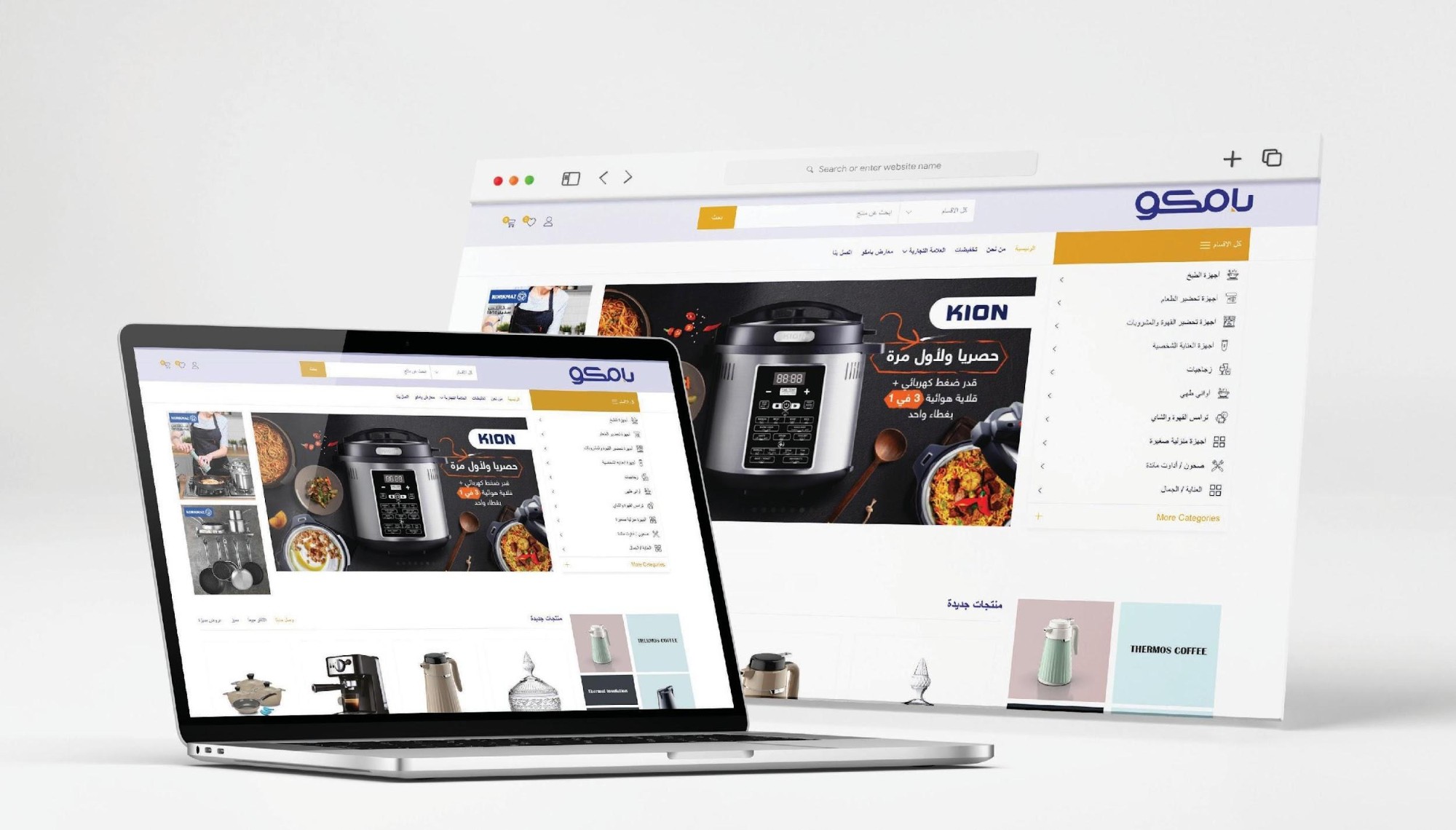
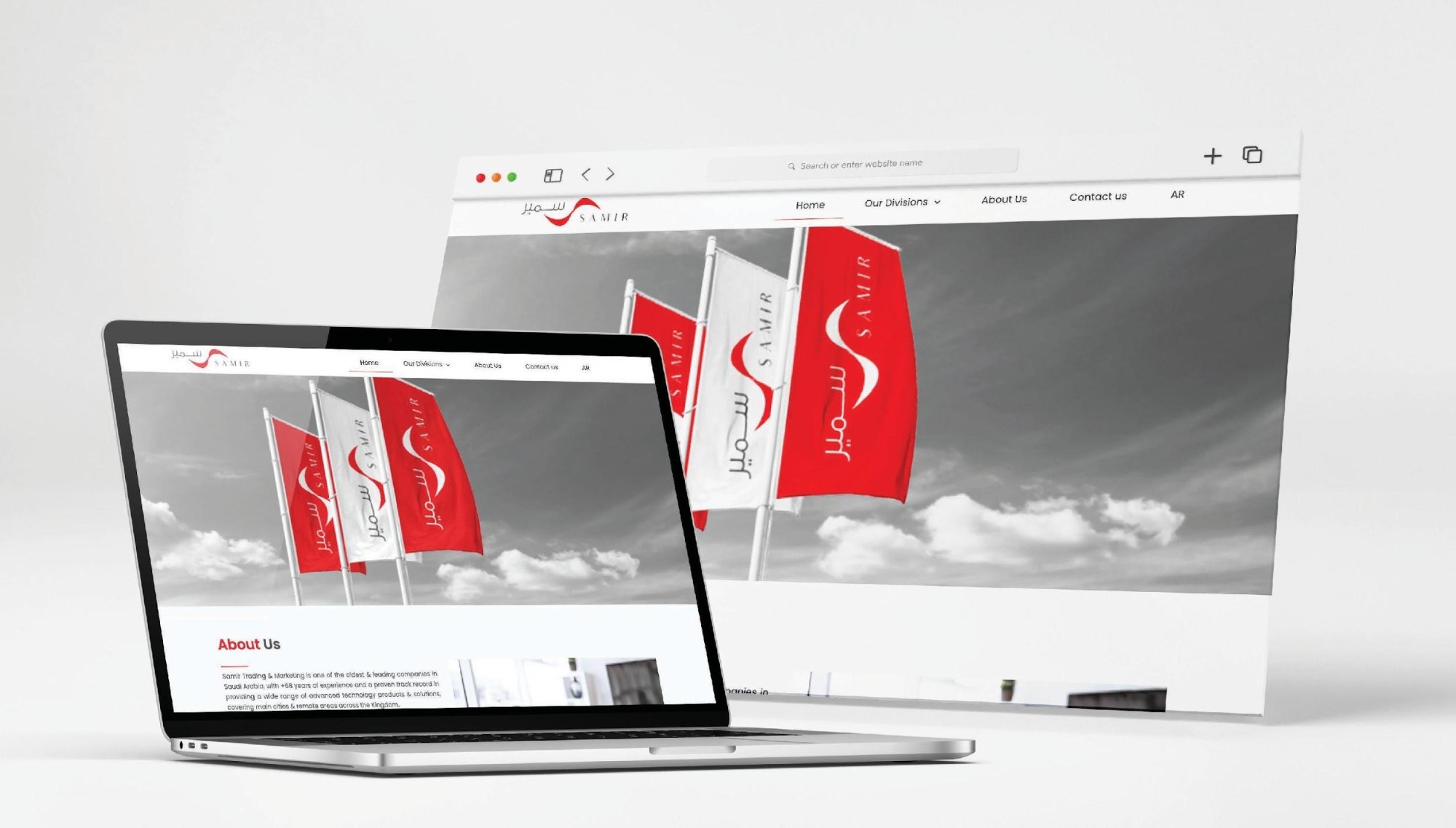
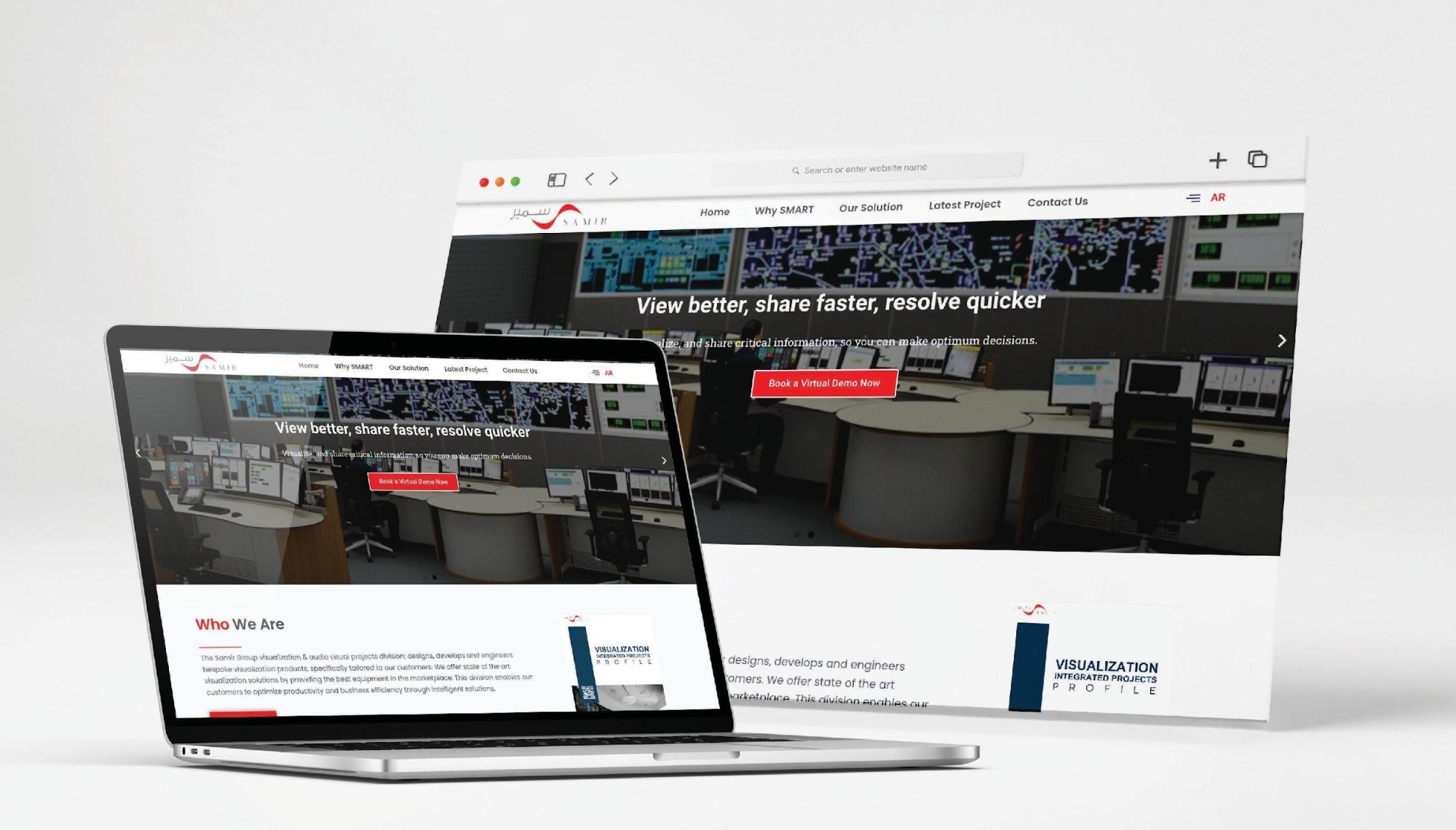

Across the Kingdom
Shipping across the Kingdom.
One store serves every city you deliver to — but rates, carriers and delivery promises are not the same in Jeddah, Riyadh and the Eastern Province, and a checkout that pretends they are loses the order at the last screen.
- Jeddahجدة
- Riyadhالرياض
- Makkahمكة المكرمة
- Madinahالمدينة المنورة
- Dammamالدمام
- Khobarالخبر
FAQ
Before you pick a platform.
Salla, Zid, Shopify or a custom store — which should we choose?
It depends on where your complexity sits. Salla and Zid are built for this market, so mada, local carriers, Arabic support and ZATCA-side tooling come as part of the platform — for a straightforward retail catalogue that is the fastest route to trading and the cheapest to run. Shopify earns its place when you need a deep app ecosystem or sell across borders. A custom build is worth it when the store is not really a store — configurable products, contract pricing per customer, a bill of materials, tight coupling to an ERP — because that is where platform limits turn into permanent workarounds. We recommend one and write down what it costs you in year three, not only in month one.
Which payment methods do Saudi shoppers expect at checkout?
mada first — it is the domestic debit network and a large share of cards in the Kingdom are on it, so a checkout that only takes credit cards is turning away buyers who have the money in the account. Then Apple Pay, which removes the whole card-entry step on iPhone; Visa and Mastercard; deferred payment through providers such as Tabby or Tamara, which measurably matters on higher basket values; and cash on delivery, which is still expected in several categories even though it costs you in failed deliveries. We wire what suits your basket sizes and margins, test each with live transactions, and reconcile against what actually settles — a method that appears at checkout but fails silently on one card type is worse than not offering it.
Does our online store have to issue ZATCA e-invoices?
If your business is VAT-registered in Saudi Arabia, the sales your store makes are taxable supplies and fall under the e-invoicing rules like any other channel — an online sale is not a special case. Retail sales to consumers are simplified tax invoices, which carry the QR code the buyer can scan. The part that varies is the integration phase: ZATCA has been onboarding taxpayers in waves defined by revenue, and your own notification sets your dates, so treat that letter as the authority. Practically, the decision we help you make is which system issues the invoice — the platform, an accredited solution provider, or your ERP — and then we make sure only that one does, because two systems each issuing their own version is the failure we are called in to unpick.
Can you move our existing store without losing our Google rankings?
That is a planned part of the job, not a hope. Before anything moves we crawl the live store and export every indexed URL with its traffic, then map each one to its destination — product to product, category to category — and ship permanent redirects one to one. Blanket-redirecting everything to the homepage is the single most damaging shortcut here. We also carry over titles, descriptions, structured data and the Arabic and English URL pairs with their hreflang, keep the old sitemap available during changeover, and watch Search Console daily for the first weeks. Expect some movement in the first month; what we plan against is the drop that does not come back.
How long does an e-commerce build take, and what do you need from us?
A clean catalogue on a Saudi platform typically runs six to ten weeks; a custom build or one with an ERP integration runs longer, and we phase it so you are trading before every feature is finished. The schedule almost never slips on development. It slips on product data — photography, Arabic and English names and descriptions, variants, weights and dimensions for shipping — and on merchant account approvals, which are on the payment providers’ timelines, not ours. So what we need from you early is the catalogue in whatever state it is in and the person who can chase the payment paperwork. We will tell you at the start which items are on your side of the line.
- Jeddah
- Riyadh
- Makkah
- Madinah
- Dammam
- Khobar
Start with the catalogue
Send us your catalogue.
In whatever state it is in — a spreadsheet, a live store, photographs on a phone. We will come back with the platform we would put it on, what the checkout needs to accept, and where the work actually sits, whether or not you go on to hire us.
- Free, no-obligation proposal
- Reply within one business day
- A bilingual Arabic & English team
- 9+ years serving brands across Saudi Arabia
Request a free proposal
Tell us about your brand — we reply within one business day.