
Wave 25 e-invoicing is part of ZATCA's Integration Phase for electronic invoicing in Saudi Arabia. It matters to small businesses because taxpayers selected for this wave must integrate their e-invoicing solution with the Fatoora platform by the deadline announced by ZATCA. You do not need to run a large company to be affected: the announcement covers taxpayers based on their VAT-liable revenue.
For a small shop, café, home business, service provider or contractor, the practical question is how to move from informal invoicing through WhatsApp, paper or spreadsheets to an organised invoicing process. Understanding Wave 25 e-invoicing now gives you an opportunity to review your records, understand the announcement and choose a suitable solution. You can explore how accounting and e-invoicing software for Saudi businesses can support that process without making your daily work unnecessarily complicated.
What is Wave 25 e-invoicing?
ZATCA's Integration Phase requires the taxpayers targeted by each announced wave to integrate their electronic invoicing solution with the Fatoora platform. Wave 25 e-invoicing is the latest wave covered by the official announcement referenced in this article.
According to ZATCA, Wave 25 applies to taxpayers whose VAT-liable revenue exceeded SAR 187,500 in any of the years 2022, 2023, 2024 or 2025. ZATCA notifies the targeted taxpayers directly, and those included must integrate their e-invoicing solution with the Fatoora platform no later than 1 February 2027.
These conditions are important because they explain how the wave is determined. It is not simply a general announcement asking every small business to take the same action. The relevant revenue condition and direct notification from ZATCA determine whether a taxpayer is included.
You can read the original requirements in ZATCA's official Wave 25 announcement. Always refer to ZATCA for confirmation of your own position and obligations.
Why should small businesses pay attention?
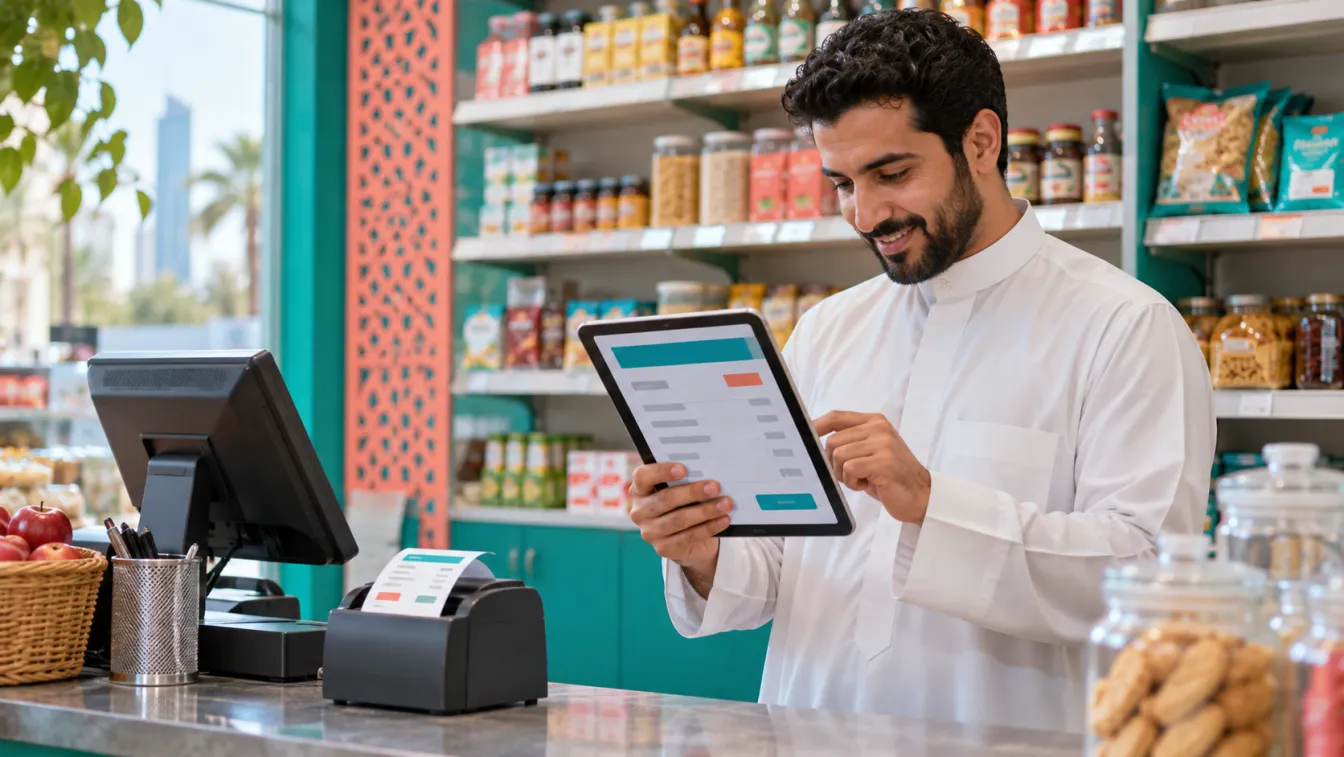
Many small businesses manage their daily sales without a dedicated accounting team. A shop owner might write an invoice manually, a home business might confirm an order through WhatsApp, and a freelance service provider might keep customer payments in a spreadsheet.
These arrangements may help with everyday administration, but they can become difficult to manage when the business needs a consistent electronic invoicing process and integration with Fatoora.
Wave 25 e-invoicing is therefore an opportunity to examine how your business creates invoices, stores transaction information and keeps its accounting records organised.
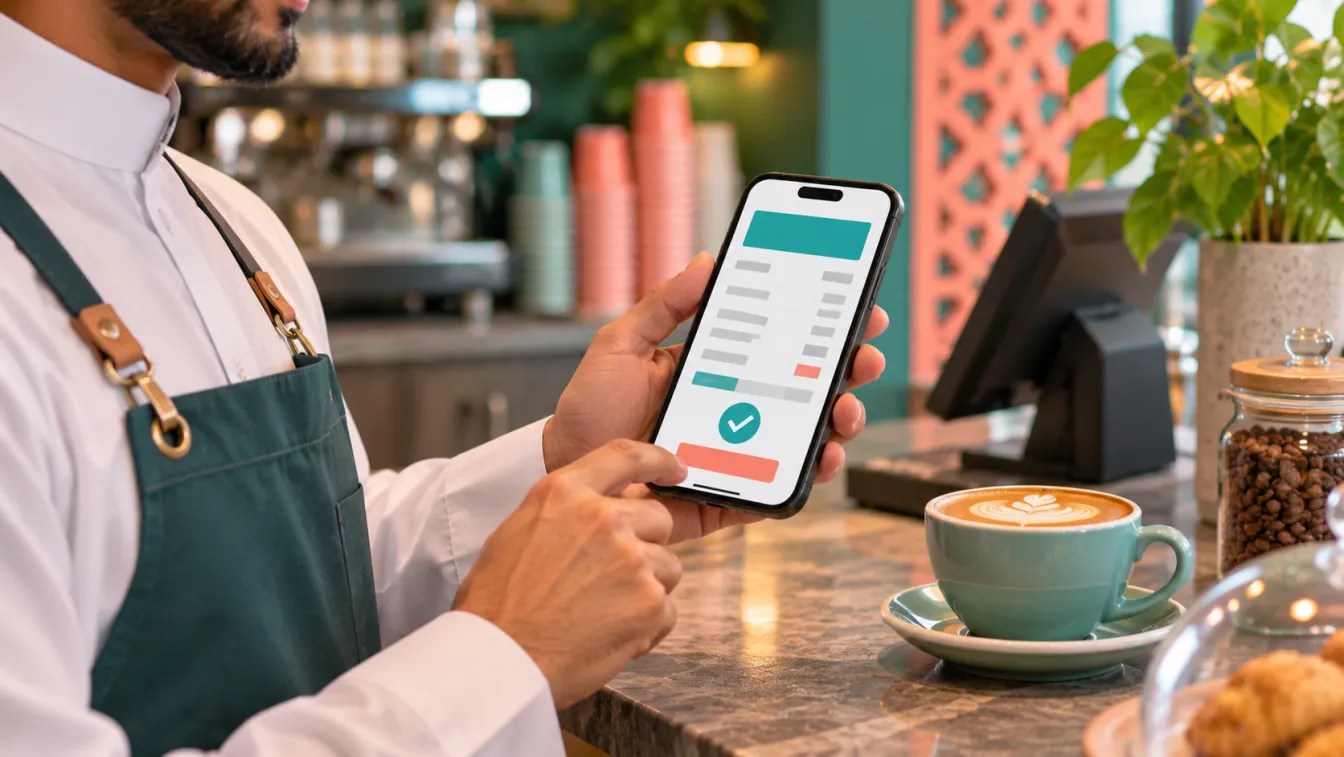
Consider a hypothetical café that receives orders through phone calls and WhatsApp. Its owner may prepare invoices using a basic document template and save payment confirmations in separate conversations. When the business reviews its invoicing arrangements, it needs to consider whether its solution supports the required integration rather than assuming that an electronic document alone is sufficient.
A similar situation can arise with a home-based business selling products, a small maintenance contractor or a freelance consultant. The business may have a simple operation, but its invoicing process still needs to reflect its applicable obligations.
Who is included in Wave 25?
The starting point is the revenue condition stated in ZATCA's announcement. The wave covers taxpayers whose VAT-liable revenue exceeded SAR 187,500 in any of 2022, 2023, 2024 or 2025.
There are important distinctions to understand:
- The condition refers to VAT-liable revenue, not simply every amount received into a business bank account.
- The announcement refers to revenue in any of the specified years, rather than requiring the condition to apply in every year.
- ZATCA directly notifies taxpayers targeted by the wave.
- Taxpayers included in the wave must integrate their e-invoicing solution with Fatoora by the announced deadline.
Do not decide that your business is included or excluded based only on an informal estimate of sales. The way your transactions are classified and recorded can matter when reviewing VAT-liable revenue.
If you are uncertain how your revenue should be understood, consult your accountant or a qualified tax adviser. You should also check directly with ZATCA rather than relying on assumptions or general social media explanations.
What does integration with Fatoora mean in practice?
Integration means that your e-invoicing solution needs to connect with ZATCA's Fatoora platform in accordance with the applicable requirements for your business.
It is different from simply creating an invoice as a PDF, sending a document through WhatsApp or keeping an electronic copy on your phone. A digital invoice and an integrated e-invoicing process are not automatically the same thing.
For a small business owner, the important consideration is the complete workflow. The solution should help the business create invoices, manage relevant information and support the required technical integration without introducing unnecessary administrative work.
When assessing Wave 25 e-invoicing readiness, consider the following practical areas:
- Invoice creation: Can you create invoices through a consistent process rather than preparing each document manually?
- Business information: Can the solution organise the business and customer information needed for invoicing?
- Integration capability: Can the solution support the applicable Fatoora integration requirements?
- Record organisation: Can you retrieve invoice information and maintain organised transaction records?
- Usability: Can the owner or employee responsible for invoicing use the system comfortably in Arabic?
- Operational support: Is there someone who can help configure the solution, test the workflow and resolve technical issues?
The exact technical requirements depend on the applicable ZATCA specifications and your circumstances. Ask the solution provider or implementation team to explain how integration works for your business. Do not rely on a general statement that a system is compliant without understanding its actual capabilities and configuration.
How can a small business prepare without overcomplicating things?
Preparation should begin with understanding your current invoicing process, not immediately purchasing complicated software.
Start by reviewing how your business currently handles sales and invoices. Identify whether you issue invoices manually, use spreadsheets, prepare documents on a computer or communicate primarily through WhatsApp.
Next, organise the business information and accounting records relevant to your invoicing activities. If information is spread across messages, personal files and separate documents, bring it into a more consistent working process.
Then review whether your existing invoicing arrangement can support the applicable integration requirements. If it cannot, consider a solution that brings invoicing and accounting activities together in a manageable way.
For example, a hypothetical freelance consultant may only need a straightforward process for preparing invoices, recording payments and finding previous transactions. A small contractor with several projects may need more structured customer records, expense tracking and accounting organisation.
The objective is not to introduce unnecessary features. It is to choose a solution that matches the actual size and workflow of the business while supporting its applicable obligations.
Businesses looking for e-invoicing software in Riyadh or e-invoicing software in Jeddah should assess the same practical questions: integration capability, Arabic usability, record management and the support available during implementation. The location of the business does not replace the need to verify its individual position with ZATCA.
What should you avoid when preparing for Wave 25?
A rushed software decision can create problems that are difficult to correct later. Small businesses should pay particular attention to these common mistakes:
- Assuming every PDF is compliant: Sending an invoice electronically does not, by itself, establish that the complete integration requirements are met.
- Ignoring direct notifications: Do not assume that general announcements are a substitute for checking communications from ZATCA.
- Confusing total sales with VAT-liable revenue: Review the relevant accounting information and seek professional clarification where necessary.
- Keeping business records scattered: Invoices, customer information and transaction records should follow an organised process.
- Choosing software based only on appearance: A convenient interface is useful, but the ability to support the required integration is essential.
- Leaving implementation until the last moment: Allow time to review the workflow, configure the solution and understand how it operates.
- Assuming mobile access solves everything: Being able to issue an invoice from a phone is helpful, but the underlying solution must still support the applicable requirements.
What kind of e-invoicing solution is suitable for a small business?
A small merchant does not necessarily need a complicated enterprise resource planning system. The right approach depends on the number and nature of transactions, the way the business operates and its accounting requirements.
A simple invoicing arrangement may be sufficient for a business with straightforward operations, provided it supports the applicable requirements. A business that also needs inventory management, purchasing, expense tracking or project accounting may benefit from a more connected accounting system.
Think about the people who will actually use the solution. If the owner manages sales from a mobile phone, an Arabic-first, mobile-friendly interface can make daily invoicing easier. If an accountant manages the records, accessible reporting and organised transaction information may be more important.
At LtsThink, we help Saudi businesses assess their operational requirements and set up or build accounting and e-invoicing systems around their workflows. This can include Arabic-first interfaces, mobile-friendly invoicing, accounting organisation and integration work related to Fatoora. The appropriate scope depends on the business and its confirmed technical requirements.
The goal is to make compliance part of normal business operations rather than a separate administrative burden.
What should you do if you are unsure whether Wave 25 applies to you?
Start with the official announcement and your own accounting records. Review the VAT-liable revenue condition, check communications received directly from ZATCA and speak with your accountant if the classification of your revenue is unclear.
If you have not received a notification but believe the announcement may apply to your circumstances, contact ZATCA or seek advice from a qualified tax adviser. Do not treat the absence of an informal message or a third-party explanation as confirmation that no action is needed.
Once you understand your position, review your current invoicing process and identify whether it needs to change. If a new solution is required, evaluate its integration capability before committing to an implementation.
For further practical guidance, you can also read our article on ZATCA e-invoicing integration for small businesses. That article explores the broader integration process, while this guide focuses specifically on what the Wave 25 announcement means for small businesses.
Regulatory requirements can depend on individual circumstances. This article provides general information, not legal or tax advice. Confirm your obligations directly with ZATCA or a qualified tax adviser.
Work with us: If your business needs a more organised invoicing and accounting workflow, explore our accounting and e-invoicing systems for Saudi businesses or contact LtsThink to discuss your requirements. We can review your current process and provide a fixed-price proposal after a short call, based on the agreed scope.
FAQ
What is Wave 25 e-invoicing?
It is a wave of ZATCA's E-invoicing Integration Phase covering taxpayers who meet the VAT-liable revenue condition specified in the official announcement. Targeted taxpayers must integrate their e-invoicing solution with Fatoora by the announced deadline.
Does Wave 25 apply to every small business in Saudi Arabia?
No. According to ZATCA, the wave covers taxpayers whose VAT-liable revenue exceeded SAR 187,500 in any of 2022, 2023, 2024 or 2025. ZATCA notifies targeted taxpayers directly. Each business should verify its own circumstances.
Is sending an invoice through WhatsApp enough for Wave 25?
Not necessarily. Sending an electronic document is different from having an e-invoicing solution integrated with Fatoora. Businesses should evaluate the capabilities of their invoicing solution against the applicable requirements.
Can a small business issue invoices from a mobile phone?
A mobile-friendly invoicing workflow can make daily operations easier. However, the solution must also support the applicable e-invoicing and Fatoora integration requirements. Mobile access alone does not establish compliance.